September 26, 20262 min read
AutomationWhat I delegate to AI, what I do not, and why
Automating is not removing people from the loop: it is deciding, process by process, where AI adds hours and where human judgement is still better.
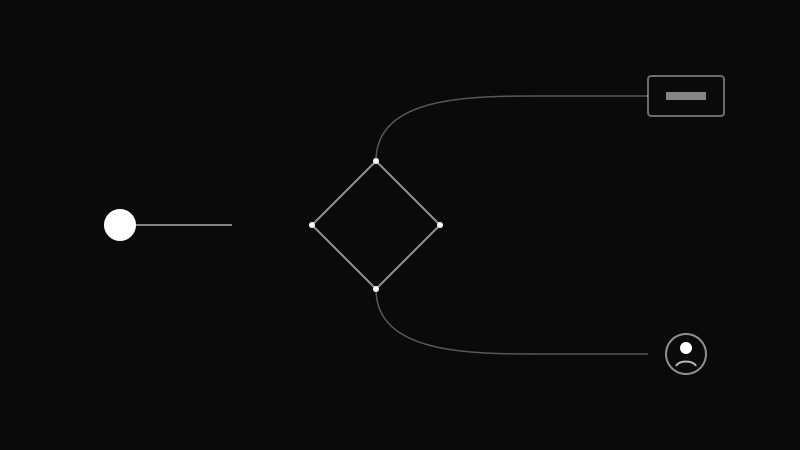
When somebody tells me «I want to automate everything with AI» I feel glad and worried at once. Glad because the instinct is right; worried because the trap is exactly there: not everything delegates the same way, and some delegations end up costing more than the problem.
After building and running my own AI systems, I kept a simple criterion, and I am putting it in writing.
01What AI does better than me (and I automate it)
Sorting inputs: emails, messages and inquiries that today somebody reads and distributes. Extracting data from loose documents — invoices, receipts, screenshots— and writing it where it belongs. Repetitive drafts: answering with the usual policy, building the weekly report, transcribing and summarizing a meeting. And the first analysis layer: where a process breaks, which question repeats, which hour has the most orders. All of this shares something: it is a lot, it is predictable, and it steals from a human the hours they need to think.
02What I do not delegate (to anybody, yet)
Pricing decisions — the margin knows the context, not the prompt—. Delicate complaints and farewells: one badly chosen phrase costs more than the process it saves. Authorizing refunds, contracts or anything that moves money without a human approving. And the definition of the problem: AI elegantly solves whatever you ask, including the wrong thing.
If the task has legal, monetary or emotional consequences, AI prepares and the person decides.
03The middle: human approving, machine accelerating
The most profitable zone is neither replacing nor letting pass: it is the hybrid. In my systems, AI sorts, suggests an answer assembled with real data, and the human approves or corrects with one click. The result: the message goes out equal or better, in a tenth of the time, and every human correction feeds the system. The checkpoints are measurable: how many it approved, how many it corrected, what the unit cost is. If the hybrid does not win, it gets dismantled — automating for automation's sake is also burned money.
What I learned from CÉNIT and VHAX is that AI is not a department: it is an amplifier. It amplifies the process you already understood — and the one you did not, equally, but in the wrong direction.
Before automating, you choose what. After automating, you measure. In the middle is all the serious work.